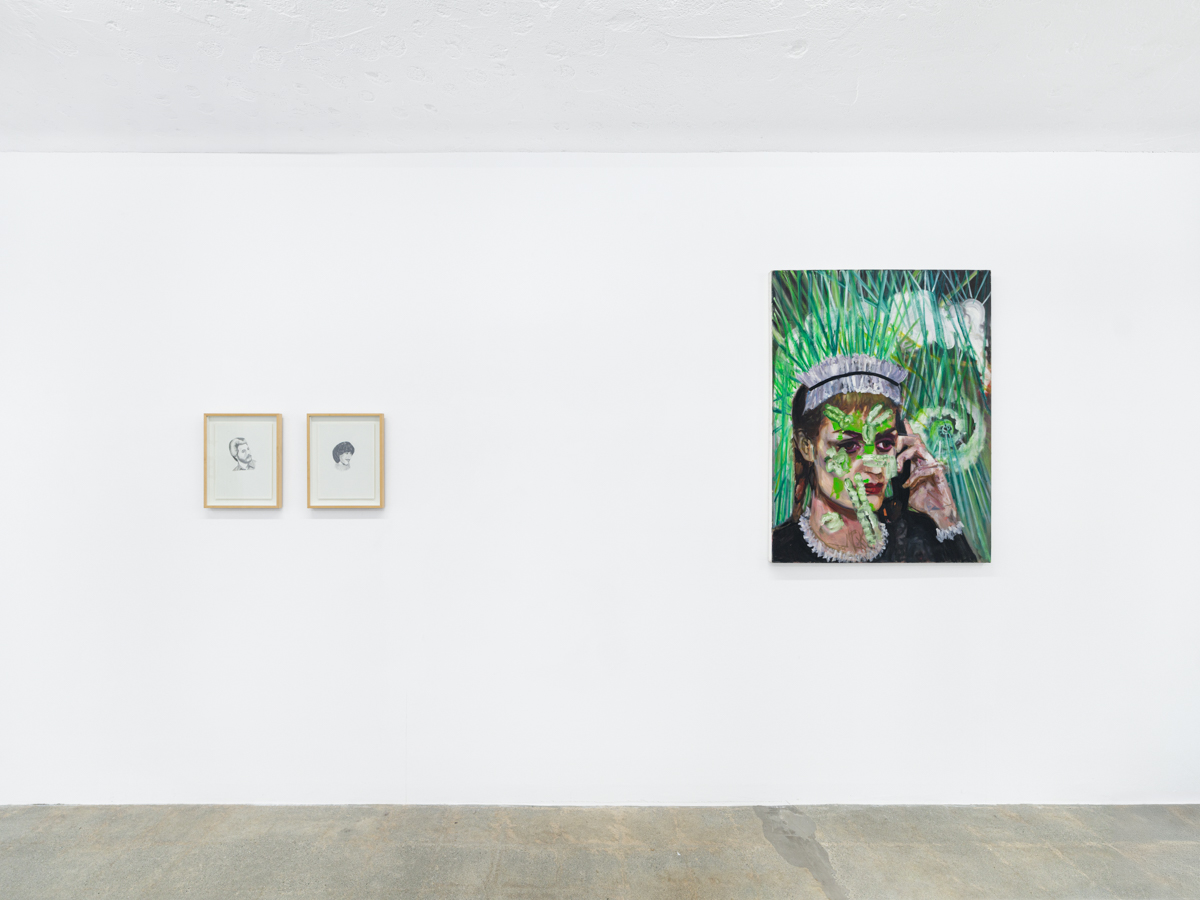
RESISTING DEATH: GLITCHES AND ORNAMENTS
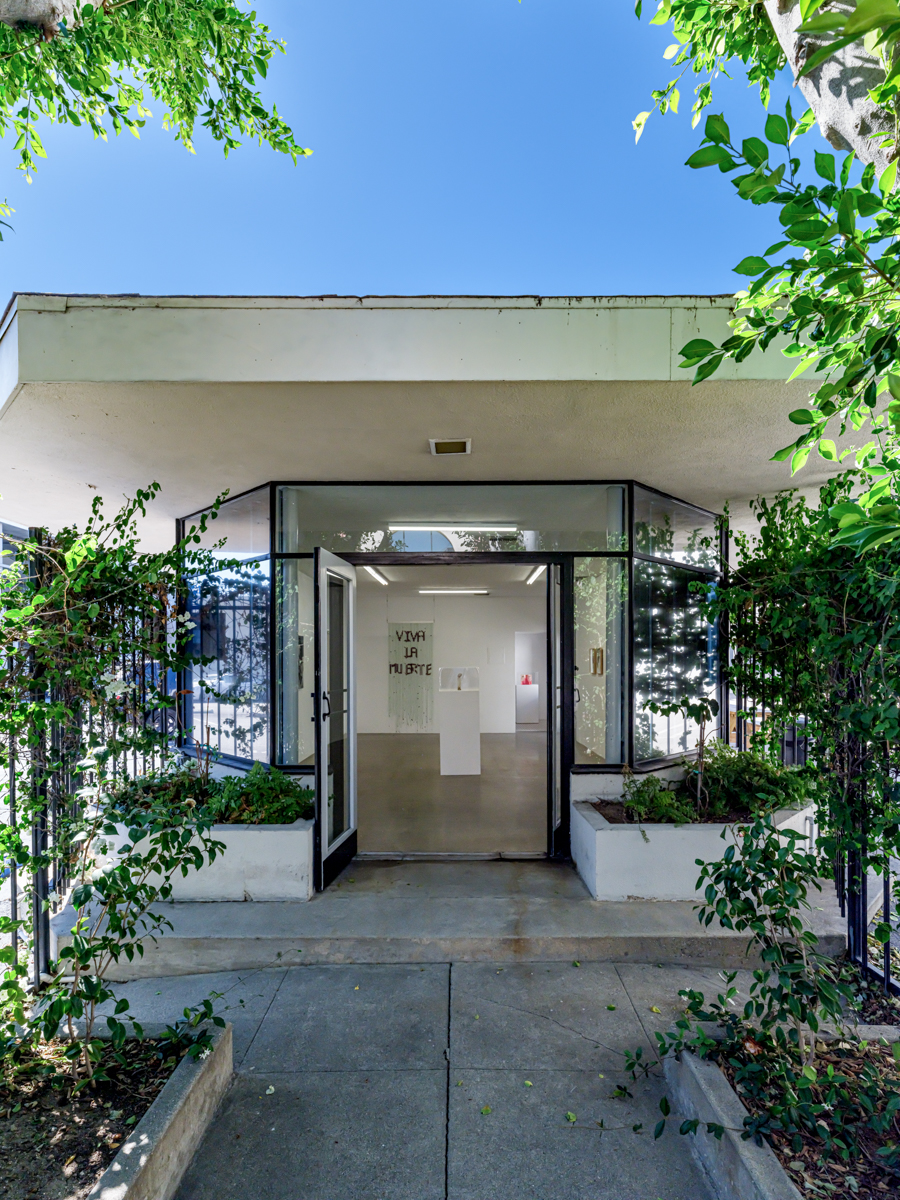
THE CASTLE, LOS ANGELES, UNITED STATES
MARCH 21 — MAY 2, 2026
Resisting Death: Glitches and Ornaments brings together works by Ull Hohn, Bod Mellor, and Bruno Pelassy around a central concern: how can artworks respond to the vulnerability of the body, its exposure to threat, illness, erasure, or domination? The exhibition does not seek a single resolution; rather, this tension is embedded in the works’ dense, labored surfaces, sometimes fractured or distorted. Against the modernist denunciation of ornamentation articulated by Adolf Loos in Ornament and Crime (1908), these practices reclaim ornament as a tool of resistance and critical disclosure. For its part, the glitch, originally a digital error producing pixelated or fragmented images, signals a machine’s slip. Beyond this technical definition, the glitch has become an aesthetic and political concept, designating the moment when a supposedly stable structure, such as an image, cracks. The glitch makes visible what is normally hidden: codes, hierarchies, mechanisms of power. Transposed into painting and objects, glitches operate as visual disruptions, rendering images porous and unstable. In the work of Hohn, Mellor, and Pelassy, such gestures register both an acute attachment to life and a sustained confrontation with illness, pain, and mortality. Rather than hierarchizing these experiences, the works stage their coexistence, making painting and sculpture profoundly physical spaces, inseparable from the body—desiring, fragile, and exposed.
[...]
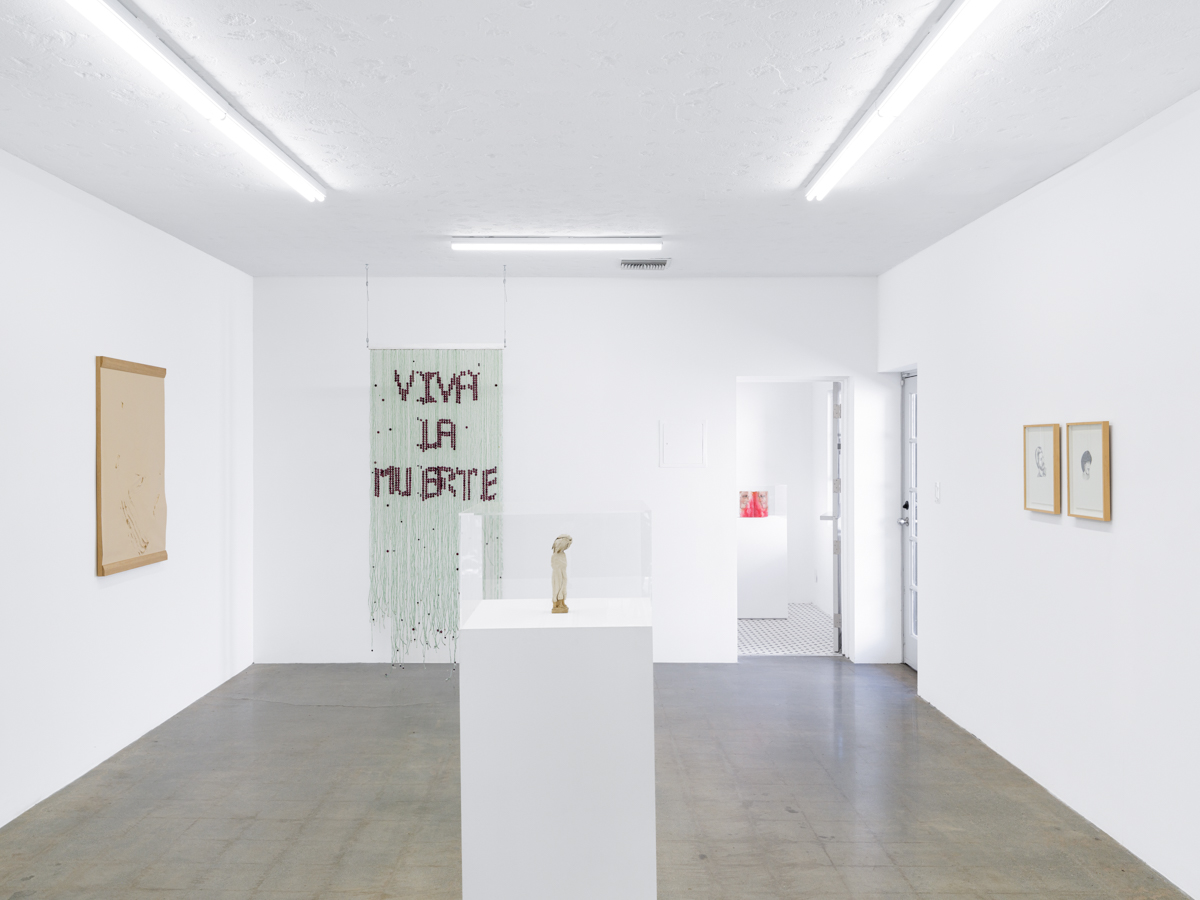
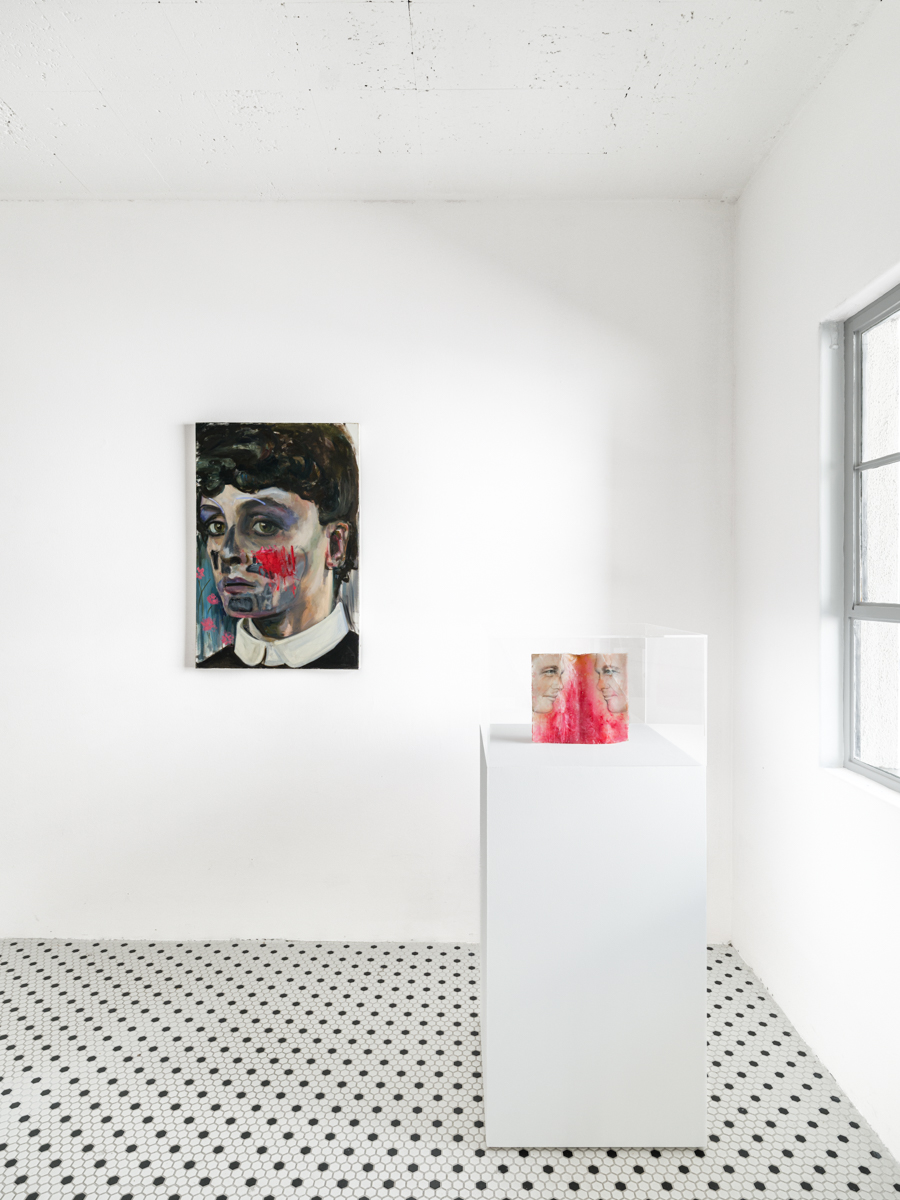
Pelassy extends this logic of disruption to the object, sustaining a similar fascination with doubling and instability. Trained as a goldsmith, he approaches each medium—jewelry, painting, or object-making—with acute attention to execution and craft. In his work, ornament, composed of pearls, gloves, boxes, or wax, charges form with desire while subtly signaling the precarity of its material condition. The double portrait of Brad Davis (Untitled, 1996), executed in colored pencil and encased in wax, achieves a ghostly translucency while acquiring a material density.
[...]
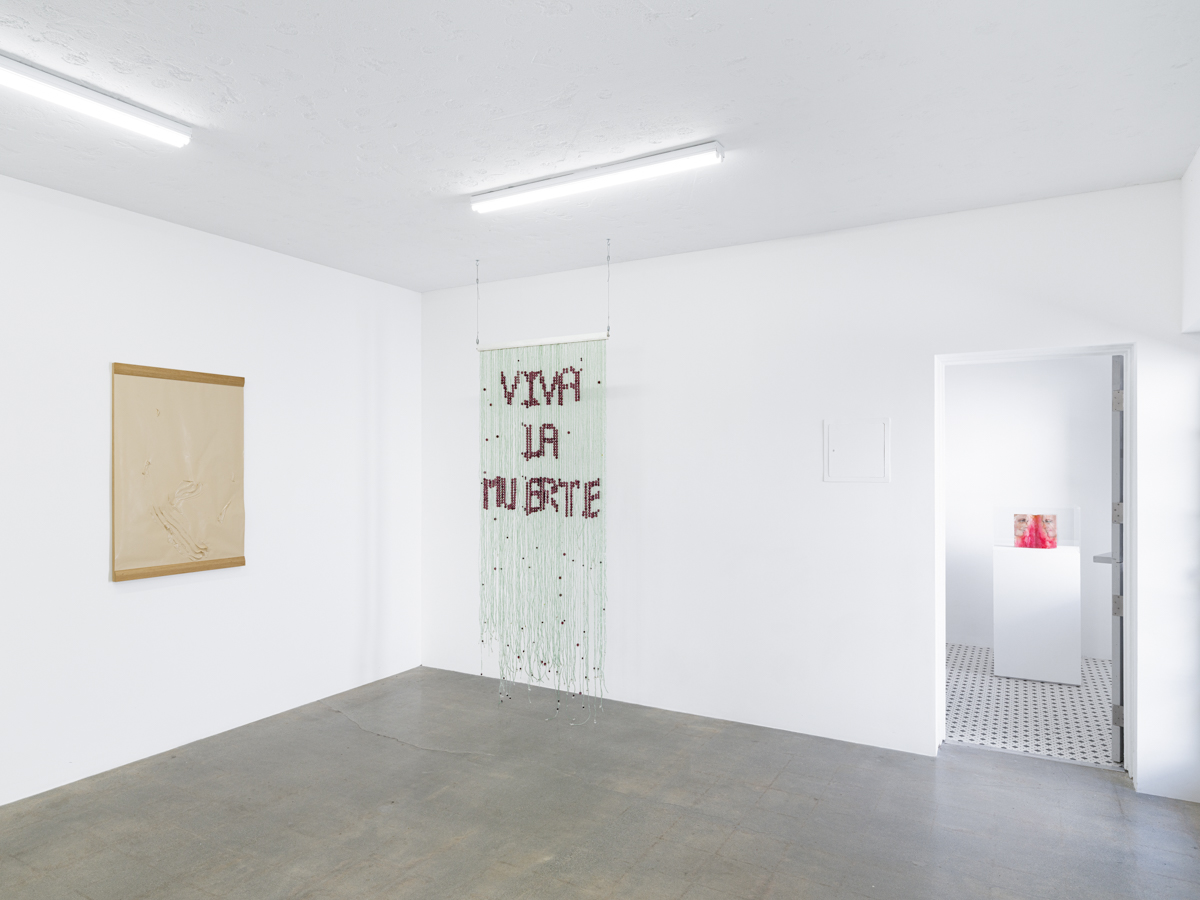
Finally, Pelassy engages the viewer’s body directly with Viva la Muerte (1995). The curtain of glass beads, like a materialized glitch, invites passage. One can imagine the beads clacking together as the viewer passes through, transforming ornament into sound and the gesture into ritual. Death is not depicted but lived as crossing. The work defuses solemnity without denying it, situating mortality within a festive movement, where celebration and extinction brush against one another. It creates a dialogue with Félix González- Torres’ Untitled (Blood) (1992), placing Pelassy within a genealogy where ornament carries memory, mourning, and desire.
Through glitches, ornaments, and excess, Hohn, Mellor, and Pelassy conjure forms where beauty is inseparable from pain, where the dramatic and the comical coexist, and where uncanny and outrageous deformation becomes a tool of revelation. To resist disappearance is not to erase the wound, but to give it form—intensely, excessively, with both political and sensory lucidity.
— Oriane Durand
|
|
|
|
|
|
|
|
|